
The History of Portraits, and Preserving Memories
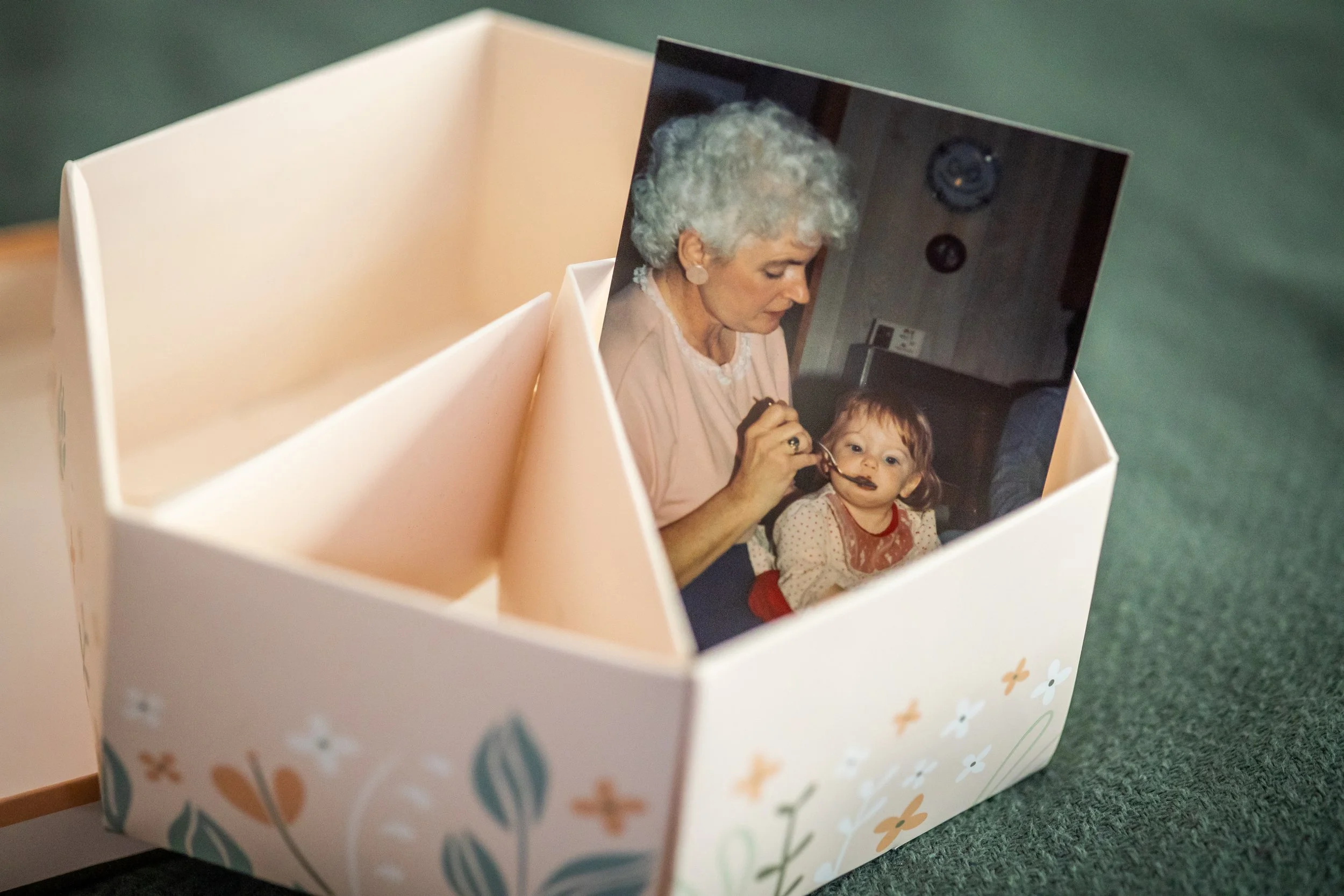
There was a time in history when only the wealthy had portraits of themselves in their homes. The Italian Renaissance was a turning point where wealthy patrons could now pay artists to paint portraits for their homes. Before this , art ended to focus on religious themes. With the Renaissance we see a shift occur, towards individual portraits. This stayed fairly consistent for the next century. The next big change to occur was with the advents of the camera obscura- an optical phenomenon where a tiny hole in a box projected an inverted image onto the opposite wall. The next big innovation was in 1839 Louis Daguerre invented the daguerotype, which used silver plated copper sheets treated with iodine and mercury vapor to create highly detailed images, with shorter exposure times. This is what we sate modern photography to. WIth this new technology, there was an explosion of cameras on the scene. Cameras soon became if not common, at least more available. The advent of the brownie camera made it affordable for the mainstream consumer.
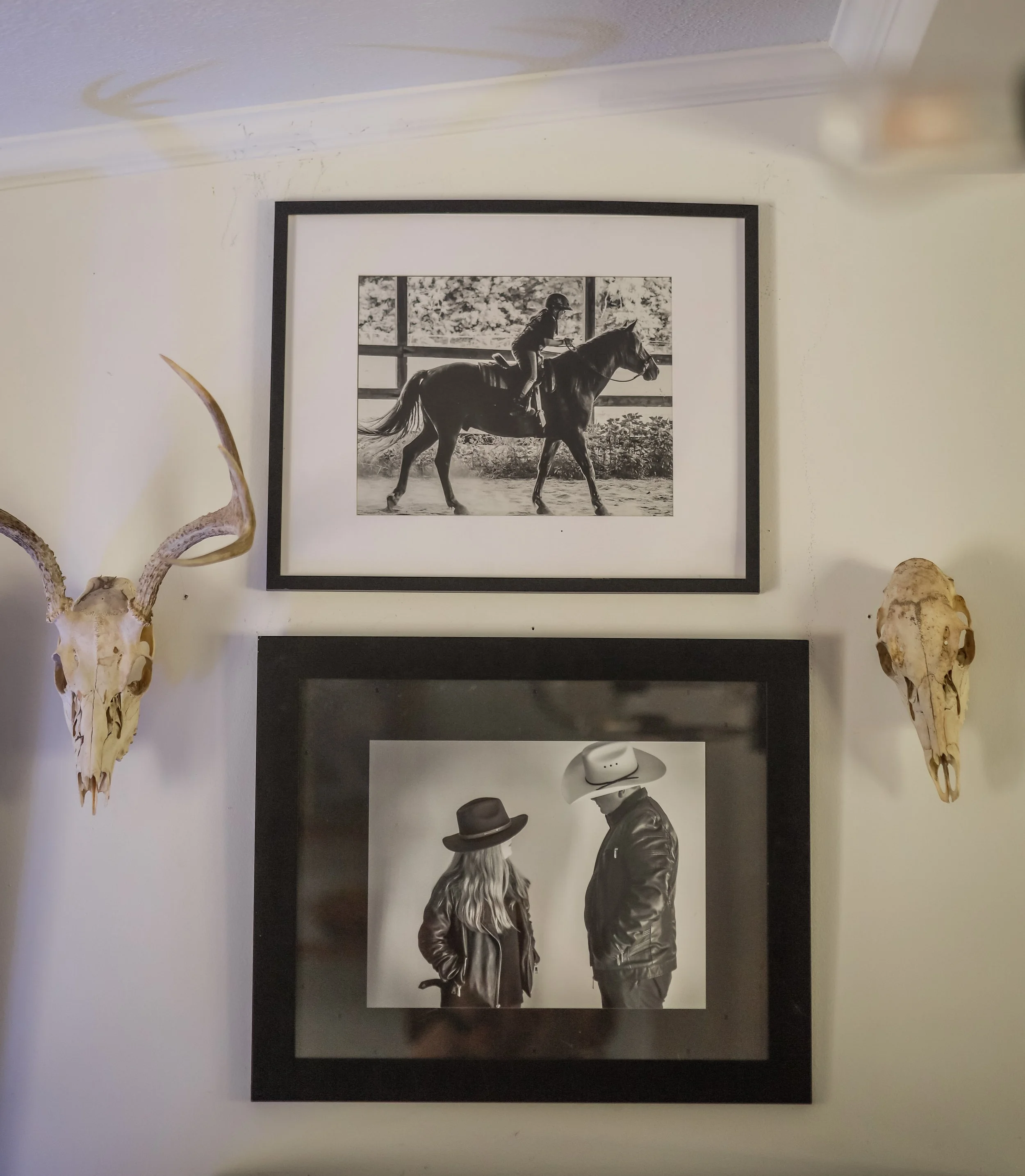
We know that eventually film replaced glass , and pixels replaced film. With digital photography we began to thin got photos as cheap, and eventually as disposable. WE can take as many photos as we want , and then delete them with the push of a button when we no longer need or want them. We dont have to pay to have film processed. We can look at the back of an LCD screen and see if we got the shot instantly- no waiting even an hour for processing.
Overall, this was a great equalizer in the realm in photography. I am so lgad , because this facilitated my own photography education. And now we walk around with cameras in our pockets, powerful , tiny lenses that previous generations coil only dream about.
However, I think we have lost the thread of the narrative. Now that we can easily and inexpensively take thousands of photos, we rarely take the time and effort to print them out.
Photography isn’t finished until it's physical. When we print out our photos we take the moment that we captured in the digital realm, and bring in into the physical realm.
Holding a print is a sensory experience. The printed work invites us to linger , to relieve the moment . To physically hold our memories. They make a moment in time real in a way that scrolling through photos on our phones can never compete with. And printed phots don’t just have value for our time. These will become family heirlooms to pass on to generations that we may never meet.
Physical albums and framed portraits encourage lingering, storytelling, and connection that showing someone a snap on our phone will never be able to replicate.

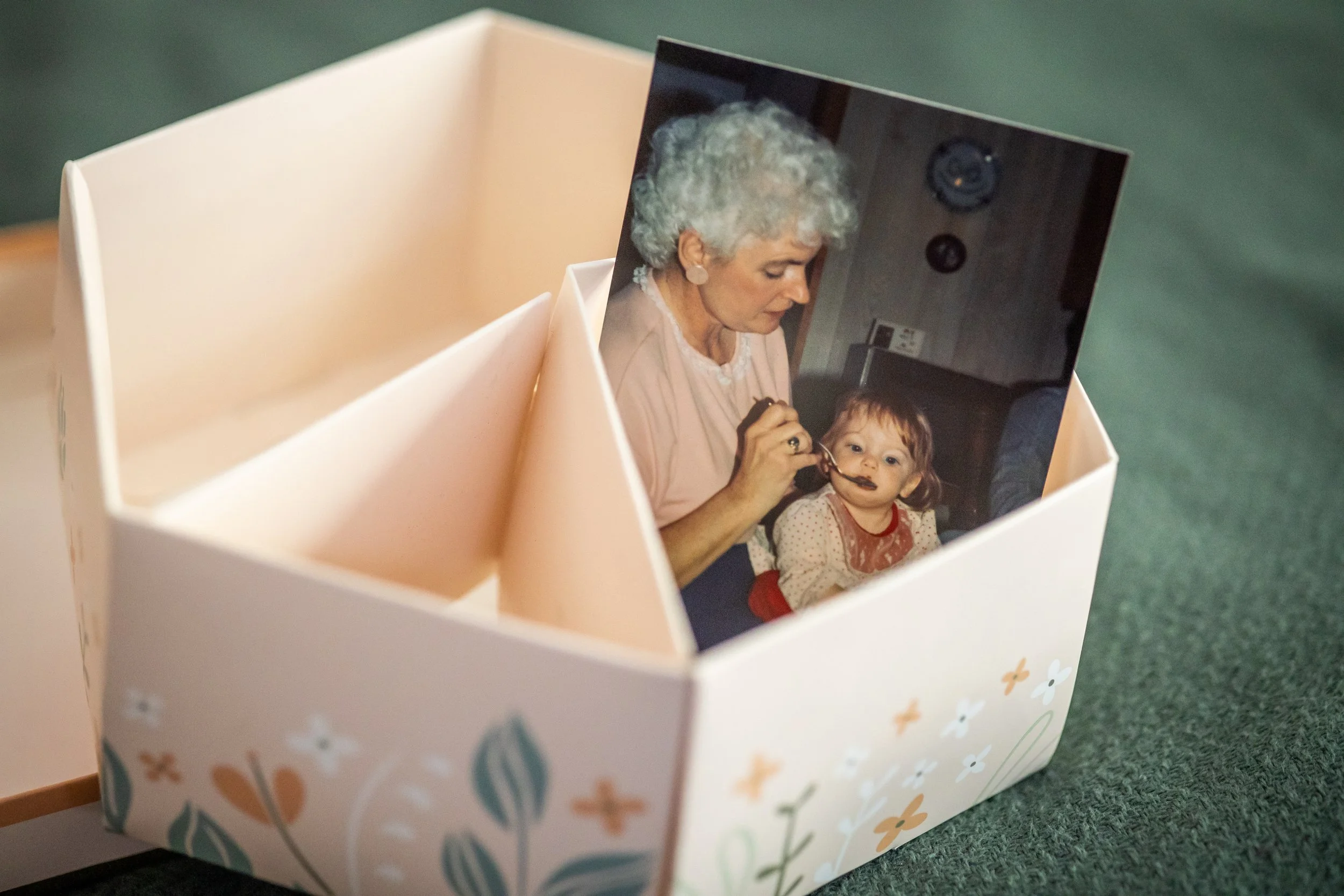
The above photo is one of my grandmother feeding me . I am so grateful for this rather simple moment, frozen in time. I think she looks beautiful, (and she is still so beautiful today at 83!) but that’s not why I’m drawn to this photo. This photo represents my grandmother loving me, caring for me, at a time that I wouldn't remember. To me, this simple photo is a reminder of loving care passed from generation to generation. If this photo had lived on my grandmothers phone, I likely would never have had the opportunity to see it. That is why we must print our photos.
